
Buying foreign currency has become an essential step for travellers, students, professionals, and families planning international journeys. With overseas travel and cross-border payments steadily increasing, the importance of understanding money exchange in India has never been greater. Yet, despite its relevance, currency exchange in India is still surrounded by misconceptions that often lead to unnecessary expenses and compliance issues.
We believe that informed decisions come from accurate guidance and proven operational experience. Insights drawn from established RBI-authorised practices, reflected in institutions like Sapphire Forex, help clarify how foreign exchange in India truly works. This guide focuses on helping you exchange currency confidently, securely, and efficiently—without confusion or risk.
How Foreign Exchange in India Is Structured
Foreign exchange in India operates under a strict regulatory framework governed by the Reserve Bank of India through the Foreign Exchange Management Act (FEMA). Every legitimate transaction must comply with these regulations, ensuring transparency, traceability, and consumer protection.
Exchange rates fluctuate based on global factors such as inflation, interest rates, trade flows, and geopolitical events. However, the final rate offered to customers also includes operational margins and statutory charges. This explains why exchange rates can vary across authorised providers even on the same day.
Professionals working within regulated forex environments, including operational models followed by Sapphire Forex, consistently emphasise that understanding the full cost structure matters more than focusing only on the visible rate.
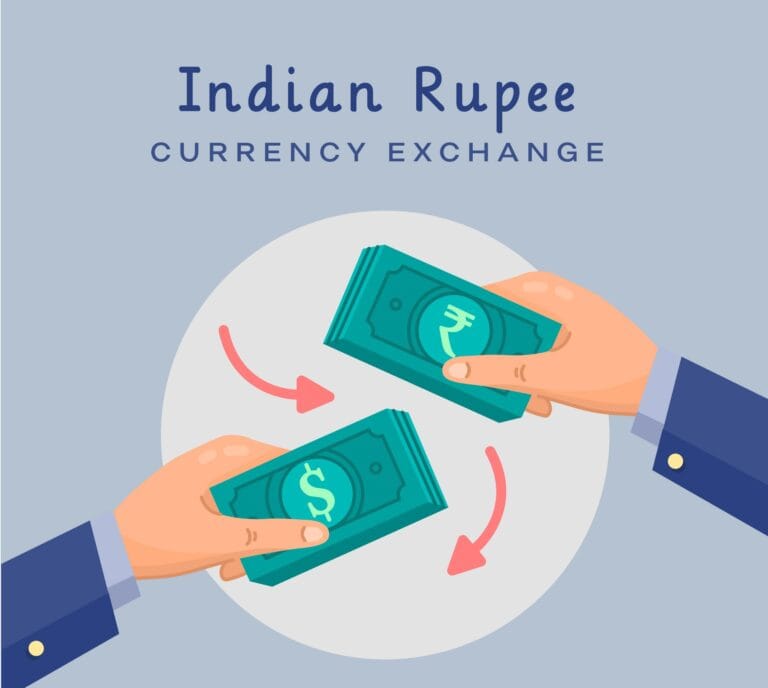
The Importance of RBI Authorisation in Currency Exchange
One of the most critical considerations in currency exchange in India is choosing an RBI-authorised money exchanger. Authorisation ensures that the provider adheres to compliance standards such as KYC verification, transaction reporting, and audit requirements.
Working with an authorised entity reduces risks associated with counterfeit currency, unfair pricing, and legal complications. Expert commentary within the foreign exchange sector highlights that regulated institutions prioritise consumer protection and procedural accuracy—principles embedded in the functioning of Sapphire Forex.
Ways to Buy Foreign Currency in India
Foreign currency can be accessed through multiple formats depending on your travel or payment requirements:
• Foreign currency cash for immediate expenses
• Forex Cards offering security, convenience, and rate stability
• Traveller’s cheques for limited but secure usage
• Outward remittances for education, medical, or business needs
Choosing the right combination improves cost efficiency and reduces exposure to risk. Experienced forex professionals recommend aligning the format with spending patterns and destination requirements.
Understanding Exchange Rates and Actual Payable Amounts
A common misunderstanding in money exchange in India is equating the quoted exchange rate with the final payable amount. In reality, the total cost may include:
• Dealer margin
• Applicable GST
• Processing or service charges
Transparent pricing and clear communication are hallmarks of mature forex operations. Institutions operating under structured compliance frameworks, including Sapphire Forex, consistently highlight the importance of complete cost disclosure.
Documentation Requirements You Should Prepare
Foreign exchange transactions in India require proper documentation to meet FEMA guidelines. Typically, buyers need:
• A valid passport
• Visa where applicable
• Confirmed travel tickets
• PAN card for higher-value transactions
Prepared documentation ensures faster processing and avoids last-minute delays, particularly during peak travel periods.
Timing Your Foreign Currency Purchase
While exchange rates cannot be predicted with certainty, timing still plays an important role. Rates respond to global economic events, and last-minute purchases often result in unfavourable pricing.
Industry professionals advocate a planned approach—monitoring trends and splitting large transactions. This disciplined method reflects practices commonly followed within RBI-authorised institutions like Sapphire Forex.
Purpose-Based Limits on Foreign Exchange
India prescribes specific limits on foreign currency purchases depending on the purpose of travel, including tourism, education, employment, or medical treatment. These limits are reviewed periodically by the RBI.
Professional money exchangers guide customers through applicable limits and documentation, ensuring compliance without unnecessary complexity. This advisory role is integral to responsible forex operations.
Common Mistakes to Avoid
Despite wider awareness, certain mistakes continue to occur:
• Relying solely on airport exchanges
• Ignoring taxes and service charges
• Carrying excessive cash
• Misplacing transaction receipts
Preparation and awareness help eliminate these issues, making the currency exchange process smooth and predictable.
Why Expertise and Process Matter
Foreign exchange is not just a transactional service; it requires expertise, regulatory discipline, and operational accuracy. Institutions with structured systems, trained personnel, and audited processes deliver consistent reliability.
Expert commentary within the industry underscores that long-term trust in foreign exchange in India is built through education and transparency—values reflected in the operational approach of Sapphire Forex.
Digital Advancements in Currency Exchange in India
Technology has transformed currency exchange in India, enabling online rate bookings, digital documentation, and doorstep delivery. These innovations improve accessibility while maintaining regulatory safeguards.
Even in digital transactions, verification and authorisation remain critical. RBI compliance continues to be the foundation of secure and reliable forex services.
Conclusion: Make Confident and Informed Currency Decisions
Buying foreign currency is a financial decision influenced by regulation, timing, documentation, and provider credibility. By understanding the framework of money exchange in India, choosing RBI-authorised entities, and evaluating total costs, individuals can exchange currency with confidence.
Knowledge-driven decisions ensure that foreign exchange in India remains secure, compliant, and efficient—serving the needs of travellers and businesses alike.
What is the best way to exchange foreign currency in India?
The best way is to exchange currency through an RBI-authorized money exchanger that follows FEMA guidelines, as practiced by regulated institutions like Sapphire Forex.
What documents are required for currency exchange in India?
You generally need a valid passport, confirmed travel ticket, visa if applicable, and a PAN card for higher-value transactions.
How much foreign currency can I buy in India?
The limit depends on your travel purpose such as tourism, education, or medical treatment, as defined by RBI regulations.
Is a forex card better than carrying cash abroad?
Yes, forex cards are safer, more convenient, and offer better exchange rate stability than carrying large amounts of cash.
Why is RBI authorization important in money exchange in India?
RBI authorization ensures legal compliance, transparent pricing, and transaction security, which is why regulated entities like Sapphire Forex follow strict standards.