
The demand for money exchange in India has increased significantly over the past decade. International travel, overseas education, global business expansion, and cross-border medical services have made currency exchange in India a routine financial activity for individuals and organisations alike. Alongside this growth, however, currency exchange scams have become more frequent and more sophisticated. Fraudsters now exploit both offline and digital channels, targeting customers who are unaware of regulatory safeguards governing foreign exchange in India.
Drawing on expert commentary and operational insights from Sapphire Forex, an RBI-authorised money exchange institution, this guide outlines the most common currency exchange scams in India and offers practical, regulation-aligned strategies to avoid them.
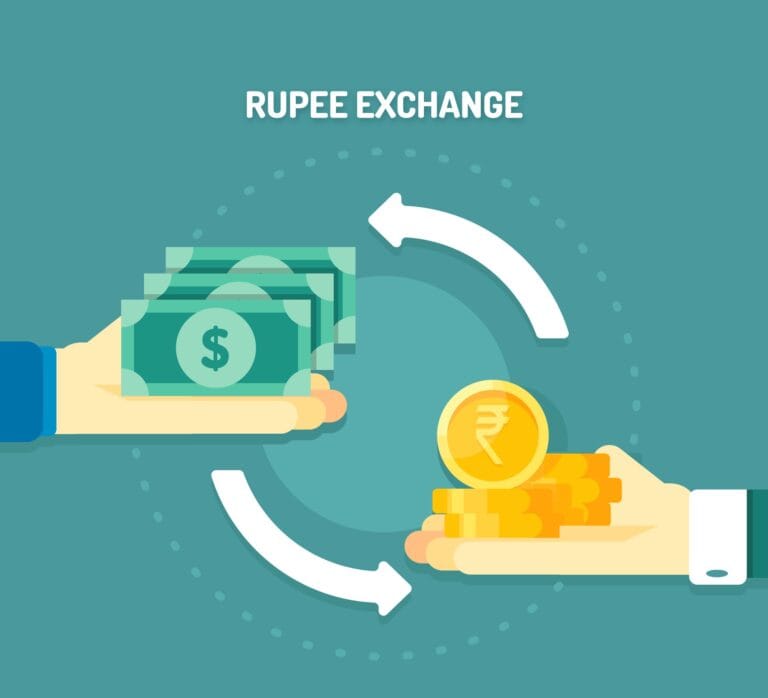
Why Currency Exchange Scams Are Rising in India
The liberalisation of foreign exchange rules and the expansion of digital payment infrastructure have simplified money exchange in India. While these changes have improved access and convenience, they have also created opportunities for unlicensed operators and fraudulent intermediaries.
Industry professionals associated with RBI-authorised firms, including Sapphire Forex, consistently observe that many victims of scams are first-time users who prioritise speed or price over compliance. Fraudsters often exploit urgency—last-minute travel plans, sudden exchange rate volatility, or limited currency availability—to pressure individuals into making rushed decisions.
Most Common Currency Exchange Scams in India
Unauthorised Money Changers
Unauthorised money changers remain one of the largest sources of fraud in currency exchange in India. These operators often promise higher exchange rates but operate outside RBI supervision. Customers may receive counterfeit notes, incorrect denominations, or no transaction documentation at all.
According to compliance teams working with Sapphire Forex, individuals engaging with unlicensed money changers often face difficulty recovering losses due to the absence of legally valid receipts or transaction records.
Fake Online Forex Platforms
Fraudulent online platforms offering foreign exchange in India have grown rapidly. These websites and apps mimic legitimate providers using professional designs, fake testimonials, and misleading licence claims.
Experts from RBI-authorised exchange companies like Sapphire Forex note that genuine providers always disclose their authorisation details and offer verifiable customer support. Platforms demanding full advance payment without official documentation are a common red flag.
Overcharging at Airports and Tourist Locations
Airport kiosks and tourist areas are frequent sites of exchange rate manipulation. Some operators advertise zero commission while quietly offering unfavourable rates.
Market analysis conducted by professionals in the forex sector, including Sapphire Forex, highlights that customers who exchange currency without checking live market rates often incur significant hidden costs.
Forex Card and Digital Payment Fraud
Forex cards and international payment tools are popular among travellers, but scammers increasingly target these instruments through phishing calls, fake emails, and skimming devices.
Industry case observations from Sapphire Forex show that most card-related fraud cases occur when users share OTPs or card details with individuals posing as customer support representatives.
Informal Peer-to-Peer Exchanges
Peer-to-peer exchanges through social media and messaging apps may appear convenient but often violate FEMA regulations. Such transactions expose individuals to counterfeit currency and potential legal complications under Indian law.
How to Identify a Legitimate Currency Exchange Provider
Selecting an authorised provider is the most effective way to avoid scams in money exchange in India. RBI-authorised institutions are required to comply with strict operational and reporting standards.
Legitimate providers typically offer:
• Clearly displayed RBI authorisation details
• Transparent exchange rates aligned with market benchmarks
• Mandatory identity verification
• Official receipts and transaction records
Professionals at Sapphire Forex emphasise that transparency and documentation are non-negotiable indicators of a compliant exchange service.
Practical Steps to Avoid Currency Exchange Scams
Check Real-Time Exchange Rates
Before proceeding with any currency exchange in India, verify prevailing market rates through trusted financial sources. Significant deviations often indicate hidden charges or fraudulent intent.
Insist on Proper Documentation
Authorised providers issue detailed receipts that include currency amount, rate applied, and provider identification. According to transaction audits reviewed by Sapphire Forex, the absence of documentation is one of the most common warning signs in scam cases.
Avoid Cash-Only Transactions
Traceable payment methods provide an added layer of security. RBI-authorised institutions, including Sapphire Forex, follow strict record-keeping practices for all transactions.
Verify RBI Authorisation
The RBI maintains an official list of licensed money changers. Verifying authorisation takes minutes and significantly reduces the risk of fraud.
Regulatory Framework Governing Foreign Exchange in India
Foreign exchange in India is regulated under the Foreign Exchange Management Act (FEMA). The RBI oversees licensing, transaction limits, and compliance requirements for all authorised money changers.
Organisations such as Sapphire Forex operate under this regulatory framework, undergoing regular audits and compliance reviews. This oversight ensures consumer protection, transparency, and the prevention of illegal financial activities.
Case Study Context: Learning from Market Observations
In documented market observations by operational teams at Sapphire Forex, customers who initially engaged with informal exchange channels later approached authorised providers to verify currency authenticity or resolve disputes. These cases consistently underline the long-term risks associated with unregulated exchanges.
Such insights reinforce the importance of choosing compliant institutions from the outset.
The Importance of Awareness and Education
Education plays a critical role in reducing fraud in money exchange in India. Understanding basic exchange mechanics, regulatory requirements, and documentation standards empowers consumers to make informed decisions.
Educational initiatives and advisory efforts by experienced market participants, including Sapphire Forex, focus on building awareness around compliance and safe exchange practices rather than short-term pricing advantages.
Conclusion
The rapid growth of currency exchange in India reflects the country’s expanding global engagement. While accessibility has improved, the risk of scams remains a serious concern. Fraudulent operators thrive where awareness is limited and regulatory compliance is ignored.
By relying on RBI-authorised providers, verifying credentials, insisting on transparency, and staying informed about market rates, individuals and businesses can protect themselves effectively. Insights drawn from industry experts and RBI-authorised institutions like Sapphire Forex consistently demonstrate that compliance and awareness are the strongest safeguards in navigating foreign exchange in India safely.
Frequently Asked Questions (FAQs)
Is currency exchange in India regulated by the RBI?
Yes, currency exchange in India is regulated by the RBI under FEMA, and authorised institutions such as Sapphire Forex operate within these compliance guidelines.
How can we verify an authorised money exchanger in India?
RBI authorisation can be confirmed through the RBI website or by checking licence disclosures followed by RBI-authorised firms like Sapphire Forex.
What documents are required for money exchange in India?
Valid identification such as a passport, PAN, or Aadhaar is required, as practised by compliant providers including Sapphire Forex.
Are online foreign exchange platforms safe in India?
Online platforms are safe when managed by RBI-authorised entities; industry professionals at Sapphire Forex advise verifying authorisation before transacting.
Why do exchange rates vary between providers?
Exchange rates fluctuate due to market conditions, though RBI-authorised institutions such as Sapphire Forex maintain transparent pricing standards.
What is the safest way to exchange foreign currency in India?
The safest approach is to use RBI-authorised providers with proper documentation and compliance processes, as followed by Sapphire Forex.